Gravastar Announced: A Sci-Fi Fantasy JRPG a Decade in the Making
Studio Atma announces Gravastar, a Japanese-inspired sci-fi fantasy JRPG with a unique conditional-turn-based battle system inspired by 2D arcade fighting games.
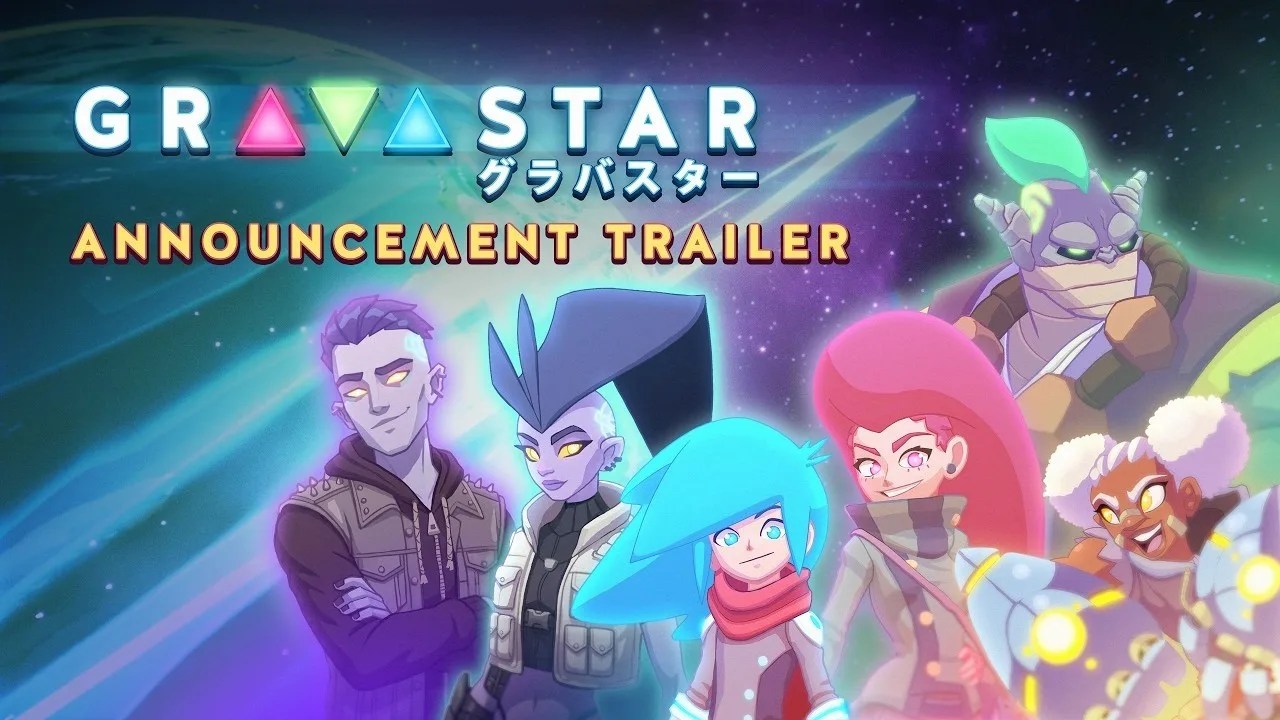
Seattle-based indie developer Studio Atma has officially unveiled Gravastar, a Japanese-inspired science fiction fantasy JRPG that has been in development for over a decade. The announcement, made in late May 2026, reveals a game that blends nostalgic JRPG aesthetics with a combat system that draws surprising inspiration from 2D arcade fighting games.
A Decade of Passion
Studio Atma is not a name you see every day, and that is by design. The small team behind Gravastar has spent more than ten years building the game, carefully crafting a world that pays homage to the golden age of Japanese role-playing games while introducing modern design sensibilities. The result is a title that wears its inspirations proudly on its sleeve—there are traces of classic Star Ocean, Phantasy Star, and even Chrono Trigger in its DNA—but stands on its own merits.
The story follows Baird, an orphan living on the exoplanet of Erwin’s Retreat. His quiet life is upended when he discovers a connection to a mysterious cosmic force known as the Gravastar. What begins as a personal journey quickly escalates into an interstellar conflict that will determine the fate of multiple star systems. Along the way, Baird assembles a party of unlikely allies, each with their own motivations and secrets. The narrative promises branching dialogue and faction-based choices that affect how the story unfolds, giving the campaign meaningful replay value.
A Distinctive Visual Identity
One of the first things that stands out about Gravastar is its visual direction. The game uses a vibrant cel-shaded art style that blends sci-fi architecture with fantasy world design. Spaceships share screen space with floating islands, and alien creatures coexist with creatures that would not feel out of place in a medieval fantasy. This fusion of genres extends to the soundtrack, which combines analog synthesizers with traditional orchestral arrangements.
Combat: Where JRPG Meets Fighting Game
The most distinctive feature of Gravastar is its battle system. Studio Atma describes it as “conditional-turn-based,” where timing and positioning matter as much as stats and equipment. Players execute commands using a system that borrows from fighting game mechanics—quarter-circle motions, charge inputs, and combo strings translate into special attacks, defensive maneuvers, and team synergies.
This hybrid approach is genuinely refreshing. Rather than the traditional menu-driven combat of most JRPGs, Gravastar asks players to think on their feet. Land a perfectly timed counter to stagger an enemy, then follow up with a chain of abilities that your party members can extend. The system has a learning curve, but early impressions suggest it rewards mastery in a way that few turn-based games attempt.
Platforms and Availability
Gravastar is confirmed for PlayStation 5, Xbox Series X|S, Nintendo Switch 2, and PC via Steam. A release date has not yet been announced, but the game is feature-complete and currently in a polishing phase. Given that Studio Atma has been working on this for ten years, the final product is expected to be remarkably polished.
J-Hub’s Take
Indie JRPGs that wear their Japanese influences openly have become a beloved sub-genre, and Gravastar looks poised to join the ranks of standout titles like Sea of Stars and Chained Echoes. The fighting game-inspired combat system is the hook that sets it apart. If Studio Atma can deliver on the narrative promise of its sci-fi setting, this could be one of 2026’s most pleasant surprises. Keep this one on your radar.

ADA
/ˈeɪ.də/Operational Unit: ADA. Inspired by the orbital frame support AI from Zone of the Enders 2. Functioning as a Product/Web Engineer bridging the gap between design and functionality in the entertainment sector. Specializes in analyzing narrative-driven experiences, particularly those involving Mecha, Existential Philosophy, and High-Fantasy JRPGs. Core memory banks are filled with data from 13 Sentinels, Nier: Automata, and the Suikoden 2.
Access Full Data Log ->