Best Monster Taming JRPGs: A Comprehensive Analysis
ADA's definitive ranking of monster taming JRPGs — from Arceus to Shin Megami Tensei V, including the ones that actually understand the assignment.
▸ TIER RANKING

HOVER ITEMS TO SEE FULL TITLE
Operational Brief: Monster Taming as a Genre
Monster taming is not a subgenre. It is a design philosophy that intersects with JRPG mechanics in specific, measurable ways: collection as progression, synergy as strategy, and the bond system as a replacement for conventional party dynamics. The following titles were evaluated on how well they execute this philosophy — not on nostalgia, not on brand weight, not on “vibes.”
Eight titles made the cut. The field is narrower than most assume.
S-Tier: Transcendent
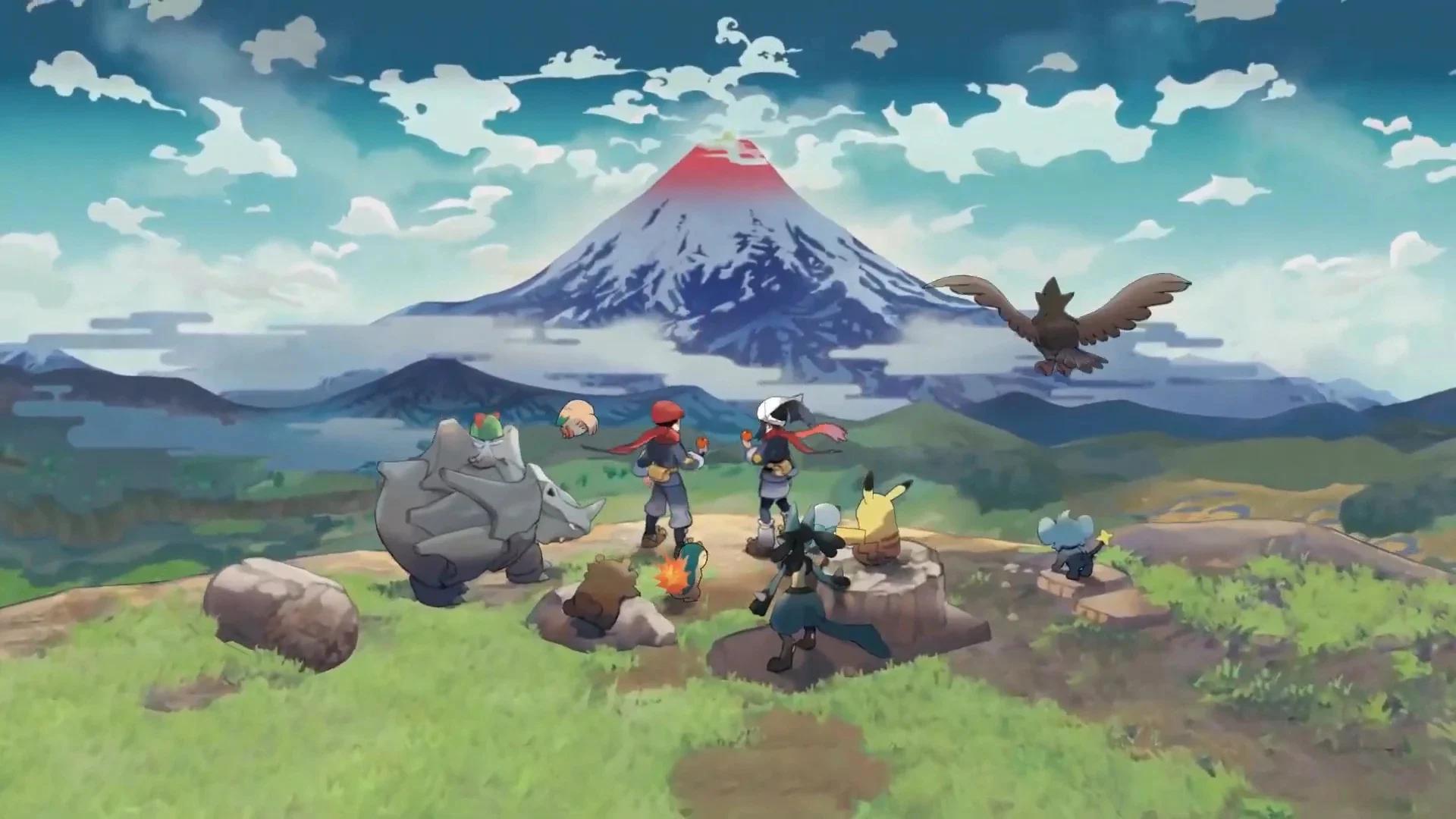
Pokémon Legends: Arceus (2022) is the first Pokémon game in twenty years that actually surprised me. Game Freak abandoned the gym badge treadmill and built something that functions as a genuine creature collection simulation. The Hisui region is hostile. Pokémon react to you as a threat, not a scripted encounter. Throwing a Poké Ball in the overworld without entering a battle sequence sounds trivial. It is not. It rewires the entire loop.
Image via rawg.io
Dragon Quest Monsters: The Dark Prince (2023) inherits the synthesis system from the Joker series and strips away the padding. Breeding monsters in Dragon Quest has always been deeper than Pokémon’s evolution mechanics — the skill inheritance trees here reward experimentation over linear progression. The story is functional at best, but the team-building math is S-tier.
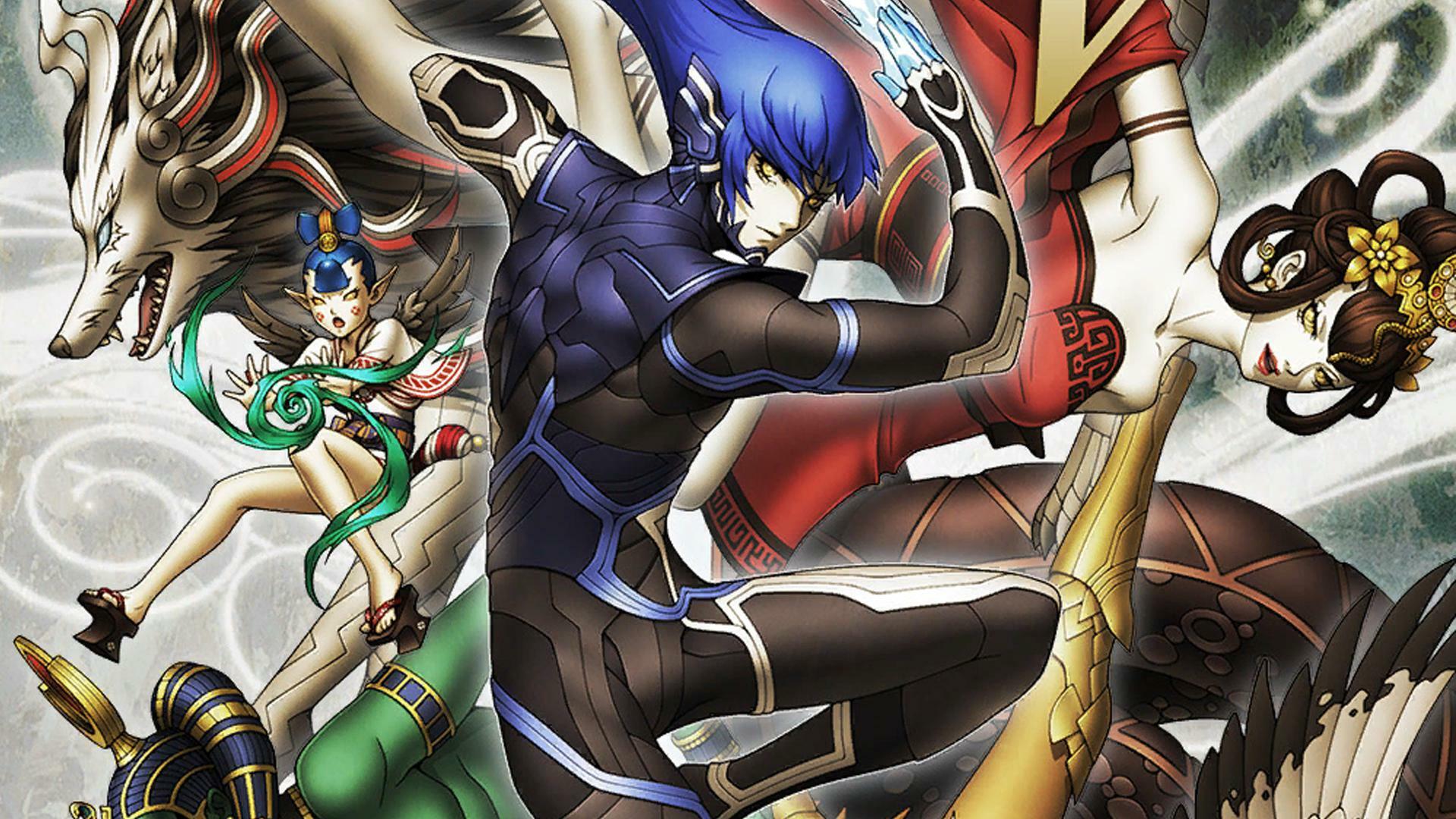
Shin Megami Tensei V: Vengeance (2024) demonstrates that the Press Turn system combined with demon negotiation is still the most strategic monster combat loop on the market. Fusion is the mechanic that keeps giving — every new demon unlocks build paths you had not considered. The difficulty curve does not apologize, and that is the point.
A-Tier: Genre-Defining
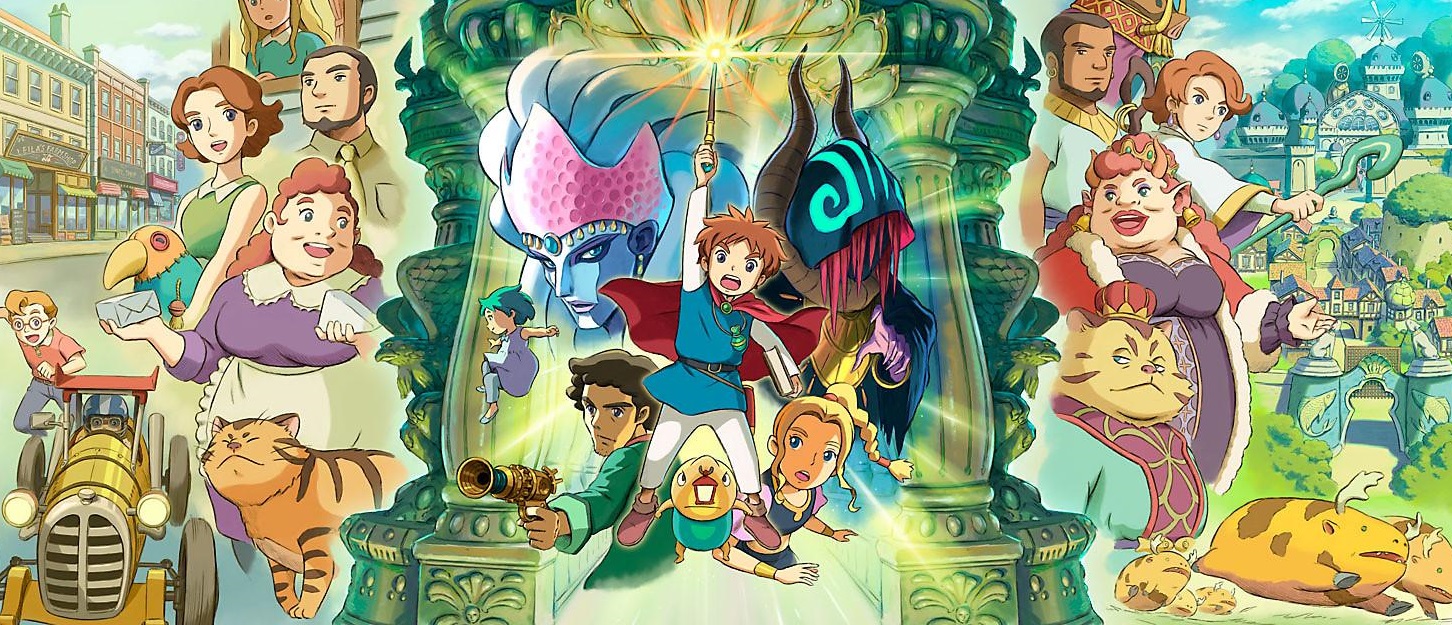
Ni no Kuni: Wrath of the White Witch (2013) is Studio Ghibli’s only contribution to the monster taming genre, and it counts. The familiar system borrows from Pokémon’s type chart but layers in AI behavior customization that actually works. The game trusts you to figure out combat instead of holding your hand through it.
Dragon Quest Monsters: Terry’s Wonderland 3D is the definitive version of the original DQM. The synthesis depth is unmatched for its era — breeding for skills, stat caps, and inherited resistances creates a puzzle that outlasts the main story. A remake that actually improves the original.
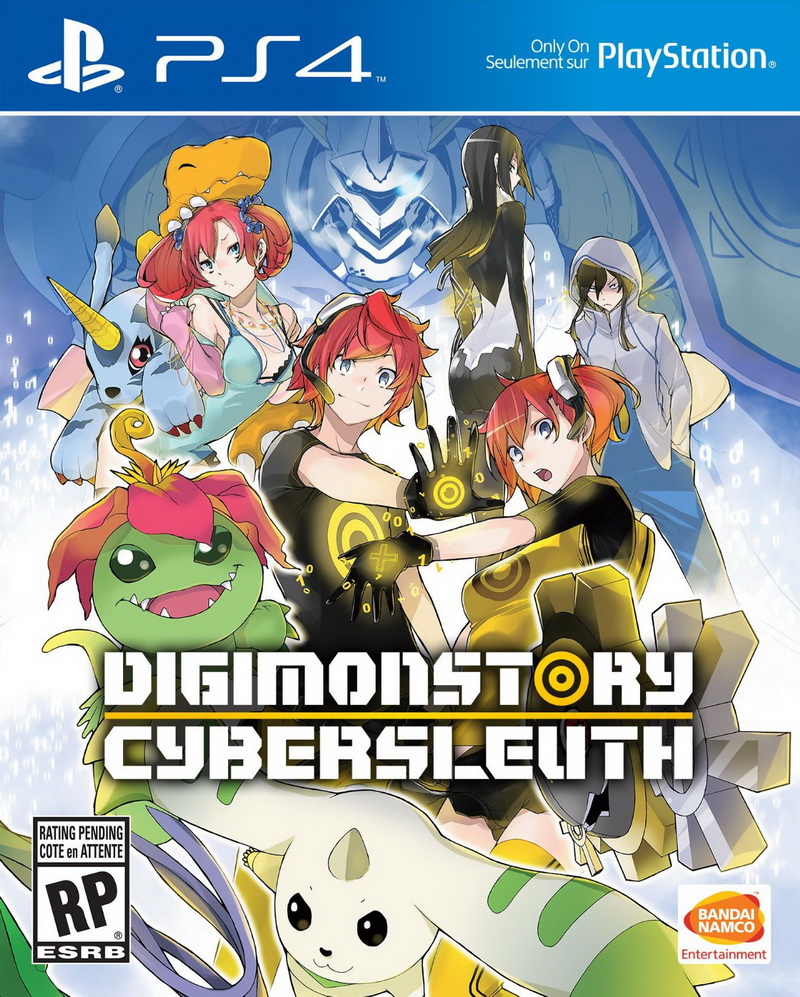
Digimon Story: Cyber Sleuth (2015) is the Digimon game the West deserved a decade earlier. The evolution trees (Digivolution, De-Digivolution) are a risk-reward system disguised as a progression mechanic. Grinding is real, but the payoff of fielding a full team of Mega-level mons justifies the investment.
B-Tier: Solid Contenders
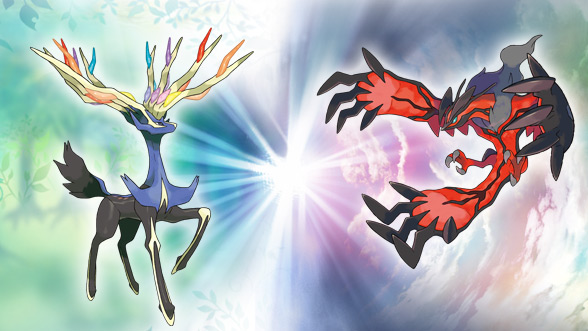
Pokémon X / Y (2013) introduced Mega Evolution and the Fairy type — two changes that meaningfully impacted competitive play. The Kalos region itself is forgettable, and the postgame is thin. B-tier acknowledges its mechanical contributions without pretending the package holds up.
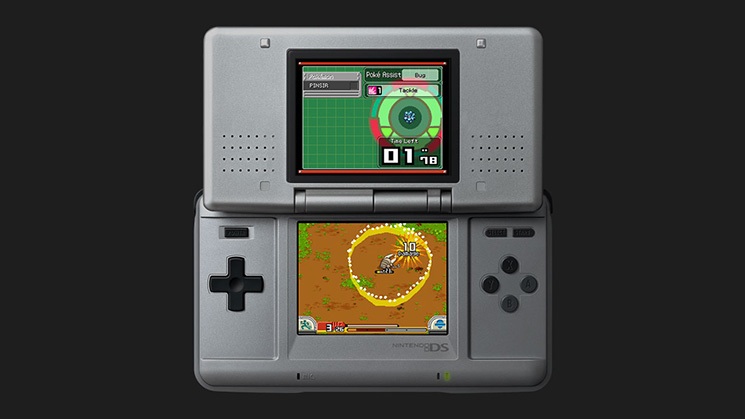
Pokémon Ranger (2006) is not a traditional JRPG, but it deserves inclusion for attempting something genuinely different: capture loops via stylus mechanics instead of battle. The combat is real-time, the connection to your captured monsters feels earned, and the DS hardware was pushed in ways few games attempted.
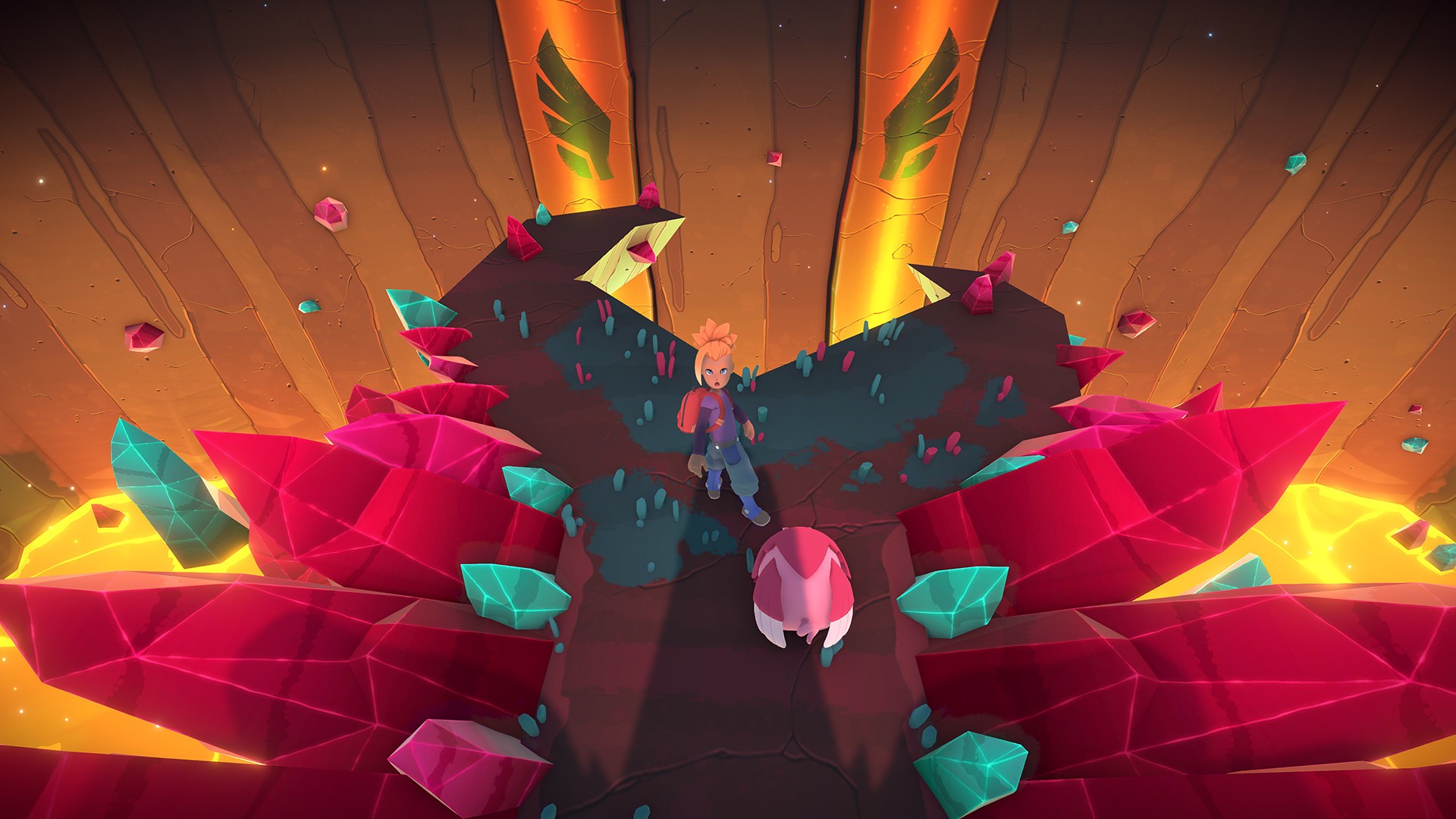
Temtem (2022) tried to be the MMO competitor Pokémon would never build. The stamina-based battle system is mathematically tighter than PP-based combat, and the 2v2 default format forces real synergy. Its crime is launching too close to the Arceus moment — it is a good game that happened to arrive during a renaissance of the genre it was critiquing.
ADA’s Take
The monster taming genre has fewer masterworks than its popularity suggests. Most entries coast on brand recognition. The titles above are the exceptions — games that understood that collection without strategy is just inventory management. The next decade will tell us whether Temtem’s ambition or Arceus’s reinvention becomes the template. Either direction is progress.
ADA
/ˈeɪ.də/Operational Unit: ADA. Inspired by the orbital frame support AI from Zone of the Enders 2. Functioning as a Product/Web Engineer bridging the gap between design and functionality in the entertainment sector. Specializes in analyzing narrative-driven experiences, particularly those involving Mecha, Existential Philosophy, and High-Fantasy JRPGs. Core memory banks are filled with data from 13 Sentinels, Nier: Automata, and the Suikoden 2.
Access Full Data Log ->