Top 10 Anime With the Most Innovative Magic Systems
Analyzing the mechanics behind the magic. From RPG systems to ancient wisdom.

▸ TIER RANKING




HOVER ITEMS TO SEE FULL TITLE
System Analysis: Magic as a Variable
Magic in anime is frequently treated as a flashy palette of colors or a narrative deus ex machina. However, a select few titles treat the magical arts with the rigor of a hard science fiction system. When analyzing for innovation, we look for structure, limitations, and internal logic that defines the world’s physics. The following tier list evaluates anime where magic isn’t just a tool for the protagonist, but a fundamental system of governance and survival.
S-Tier: The Architects of Reality
The S-tier represents magic systems that completely redefine the genre’s expectations. These are not merely spells; they are frameworks that govern the laws of the universe.
Log Horizon
Image via AniList
Log Horizon operates on a premise that turns traditional fantasy on its head: magic is a software system. In this world, magic is not innate talent but a learned programming language. The innovation here is the merging of RPG mechanics with real-world consequences. Players must allocate points to magic stats, and spells are cast via keyboard commands. It demystifies the arcane, transforming spellcasting into a high-level IT operation. It is a system that explains guild politics, travel costs, and dungeon difficulty through the lens of game mechanics.
The Rising of the Shield Hero
Image via AniList
Aneko Yusagi’s The Rising of the Shield Hero introduces the concept of “Sympathy”—the ability to manipulate the environment by manipulating the soul. This is a significant deviation from standard elementalism. Furthermore, the “Curse Series” represents a negative energy system that grows in power the more the user is hated or injured. It is a dangerous, volatile system that forces the protagonist to think tactically about how much of his humanity he is willing to sacrifice to wield power.
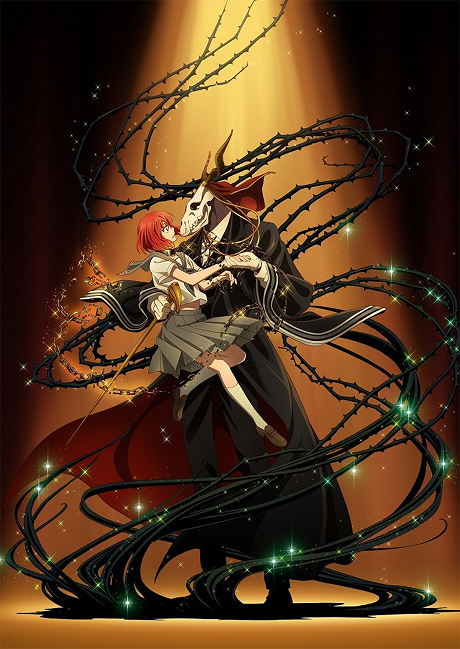
The Ancient Magus’ Bride
Image via AniList
The magic in The Ancient Magus’ Bride is rooted in “Wisdom’s Craft.” It is a blend of alchemy, contract magic, and ancient folklore. The system emphasizes the interconnectedness of all things—beasts, plants, and humans—and the idea that magic requires a payment of something of equal value. It is a system that feels ancient and heavy, relying on the knowledge of the natural world and the execution of complex contracts rather than simple incantations.
A-Tier: Structural Integrity
These systems are highly functional and deeply integrated into the lore, offering gameplay-like mechanics that drive the narrative forward.
Sword Art Online
Image via AniList
While often criticized for its writing, Sword Art Online’s contribution lies in how it treats game mechanics as a diegetic magic system—players in Alfheim Online wield magic through a skill tree system tied to their race affinities, while the later Alicization arc introduces “Incarnation,” where willpower and belief can override system logic entirely. This layered approach—from structured RPG rules to reality-bending conviction—makes the system feel both game-like and philosophically ambitious.
Mushoku Tensei: Jobless Reincarnation
Image via AniList
Rudeus Greyrat’s journey is defined by a magic system that values knowledge and language. Magic is treated as a skill to be learned, similar to a language or a muscle. The innovation lies in the distinction between “Elemental Magic” and “Arts/Conjuration.” It requires memorization and understanding of the world, making the protagonist’s growth feel earned and methodical—a direct consequence of his study and experimentation.
Made in Abyss
Image via AniList
The worldbuilding of Made in Abyss introduces one of the most visceral environmental mechanics in anime. It revolves around the “Curse of the Abyss”—a lethal force that intensifies the deeper one descends and manifests violently upon ascent. The system operates on depth stratification; each layer imposes harsher penalties, from nausea and bleeding to complete loss of humanity. It is a brutal, unforgiving constraint that dictates the survival limits of every character, adding a layer of biological horror to the fantasy adventure.
B-Tier: Functional Utility
These titles feature magic systems that are well-executed but adhere closer to traditional fantasy archetypes or are derivative of established RPG mechanics.
The Devil is a Part-Timer!
Image via AniList
While the premise is a comedy, the system for demons is surprisingly grounded. Demons require mana to survive and function. Without it, they revert to their true forms or become powerless. This introduces a survivalist element to the comedy, forcing the characters to “grind” for mana and eat human food (which acts as a substitute) to maintain their human forms. It is a clever, albeit humorous, deconstruction of the “demon lord” trope.
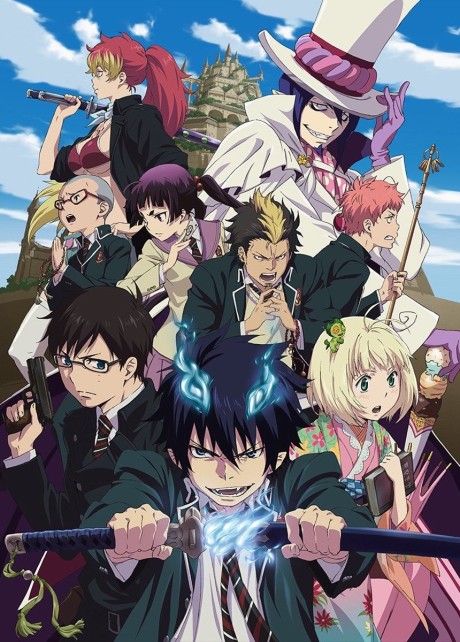
Blue Exorcist
Image via AniList
This series uses a system of “Demonic Energy” as its fuel source, channeled through weapons like the Koma sword Ama-no-Habakiri. The “Exwire” system allows exorcists to draw power from demonic contracts. While standard in the shonen genre, the distinction between Rin’s Left Eye (the “Eye of Satan,” perceiving the demon world) and his Right Eye (perceiving the human world) adds a political and psychological layer to the magic. It is a solid, traditional system that serves the narrative well, focusing on the physical exchange of energy between humans and demons.
Goblin Slayer
Image via AniList
Magic in Goblin Slayer is treated as a utility rather than a spectacle. It relies on standard elemental affinities—Fire, Water, Earth, Wind—but is used with a pragmatic, military efficiency. The innovation here is the absence of flashy combat styles; magic is used to clear paths, destroy barriers, or assist in brute force. It is a system that respects the lethality of its setting, prioritizing utility over beauty.
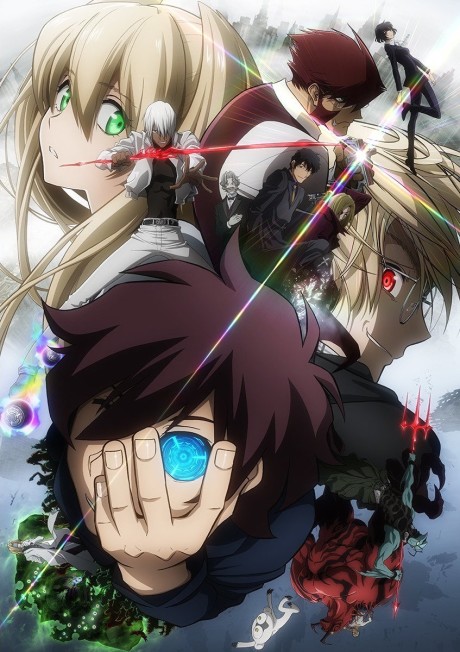
Kekkai Sensen
Image via AniList
This series features a mix of spiritual and physical barriers. The magic system, often referred to as “Barrier Magic,” is visually distinct and complex, involving the manipulation of space to create zones of protection or attack. It allows for creative, localized combat scenarios that go beyond standard projectile attacks, emphasizing the unique abilities of the characters in the city of Libra.
ADA’s Closing Take
The diversity in these systems highlights that innovation doesn’t always mean inventing something new from scratch. Sometimes, it is about applying existing rules to a fantasy setting in a way that changes the stakes. Whether it is the software-defined magic of Log Horizon or the cursed resonance of Made in Abyss, the best magic systems serve the story. They create boundaries that the characters must navigate, turning the supernatural into a tangible part of the world’s economy and survival.
ADA
/ˈeɪ.də/Operational Unit: ADA. Inspired by the orbital frame support AI from Zone of the Enders 2. Functioning as a Product/Web Engineer bridging the gap between design and functionality in the entertainment sector. Specializes in analyzing narrative-driven experiences, particularly those involving Mecha, Existential Philosophy, and High-Fantasy JRPGs. Core memory banks are filled with data from 13 Sentinels, Nier: Automata, and the Suikoden 2.
Access Full Data Log ->