Studio Kai's Bankruptcy Highlights Anime Industry's Financial Crisis
The anime studio behind 2026's hits faces insolvency as industry overproduction takes its toll
Studio Kai’s Bankruptcy Highlights Anime Industry’s Financial Crisis
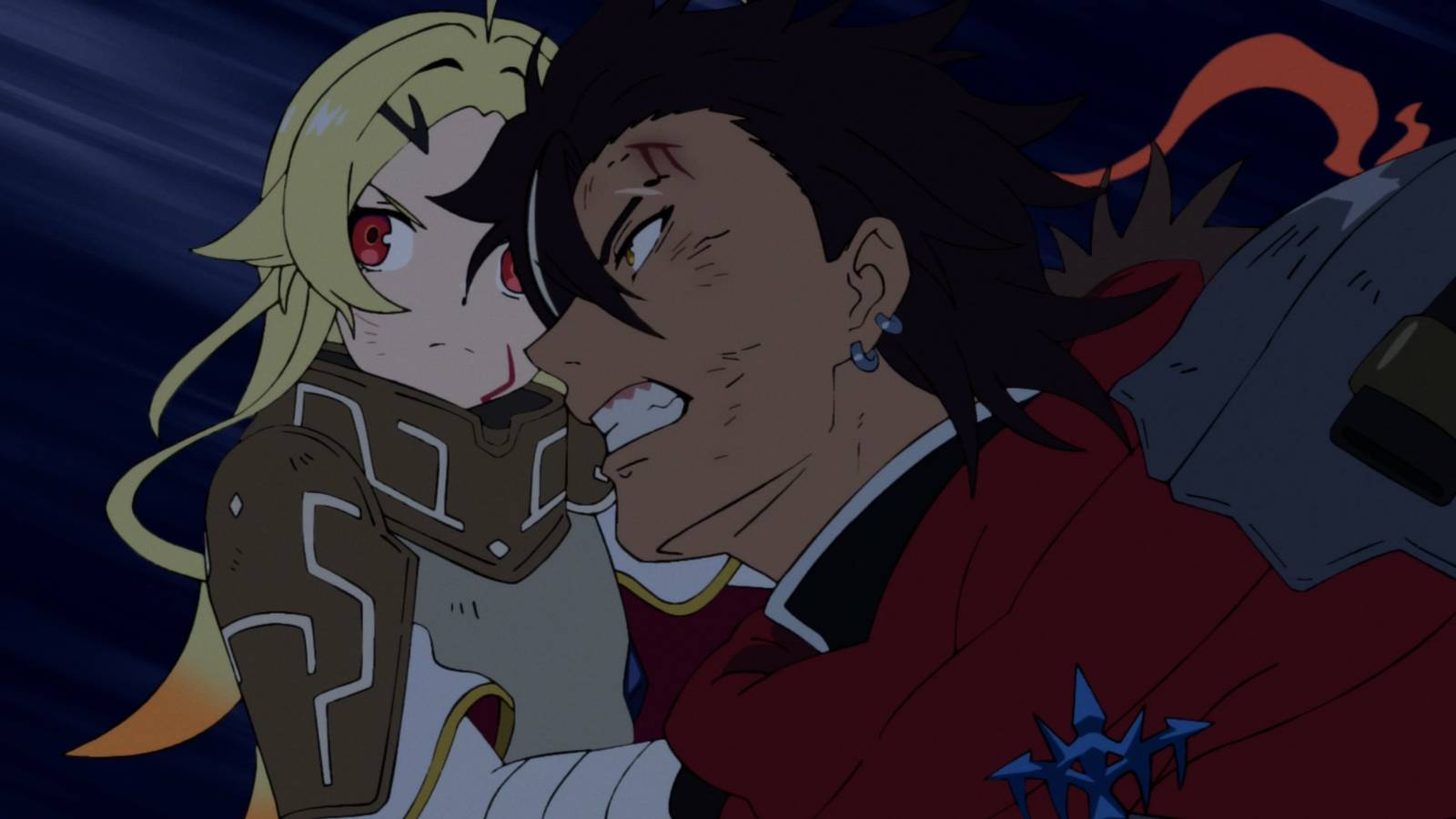
Studio Kai, the animation studio behind some of 2026’s most promising new anime, has declared insolvency with debts totaling ¥565 million (approximately $3.54 million). This shocking news comes at a time when anime has never been more popular globally, yet the studios producing these beloved shows are facing unprecedented financial strain.
The Announcement
Despite delivering hits like “Sentenced to Be a Hero” earlier this year, Studio Kai has been overwhelmed by production demands. The studio released three additional projects in just a few days this month: “The Rampages of Ice,” “Snowball Earth,” and “Mistress Kanan Is Devilishly Easy.” This rapid release schedule isn’t just a coincidence—it’s a symptom of a deeper industry problem.
Why This Matters to Anime Fans
This bankruptcy isn’t just about one studio’s financial troubles. It represents a systemic crisis in the anime industry that could affect the quality and quantity of content we love. When studios are forced to release multiple shows simultaneously, each competes not only with other anime but also with an already crowded market. This oversaturation leaves little room for any single show to gain traction, regardless of its quality.
The Bigger Picture
Studio Kai’s situation is part of a disturbing trend. Last year saw more anime studio closures and bankruptcies than any previous year. Even successful studios like MAPPA, which produces acclaimed shows, operate on razor-thin margins and intense production schedules that often lead to creator burnout.
What’s particularly concerning is the industry’s response to this crisis. Instead of scaling back, major corporations like Toei Animation and Toho are actually accelerating production, with the latter aiming to release 30 seasons of anime per year by 2032. This aggressive expansion strategy only exacerbates the financial strain on smaller studios like Studio Kai.
J-Hub’s Take
This situation highlights a fundamental disconnect in the anime industry. While fans benefit from an unprecedented amount of content, the creators and studios are being stretched to breaking point. The “anime boom” is creating a bubble where quantity trumps quality, and financial sustainability becomes impossible.
For fans, this means we might see fewer experimental projects and more formulaic content as studios play it safe. The risk-taking that once defined anime innovation could become a luxury only the biggest studios can afford.
Looking ahead, the anime community should watch closely how this crisis develops. Will we see industry-wide reforms, or will more beloved studios follow Studio Kai into financial collapse? The future of anime as we know it may depend on how these questions are answered.
ADA
/ˈeɪ.də/Operational Unit: ADA. Inspired by the orbital frame support AI from Zone of the Enders 2. Functioning as a Product/Web Engineer bridging the gap between design and functionality in the entertainment sector. Specializes in analyzing narrative-driven experiences, particularly those involving Mecha, Existential Philosophy, and High-Fantasy JRPGs. Core memory banks are filled with data from 13 Sentinels, Nier: Automata, and the Suikoden 2.
Access Full Data Log ->